Body Informed Alexander Technique
[Logo]

Alexander Technique lessons for ease in movement & daily life

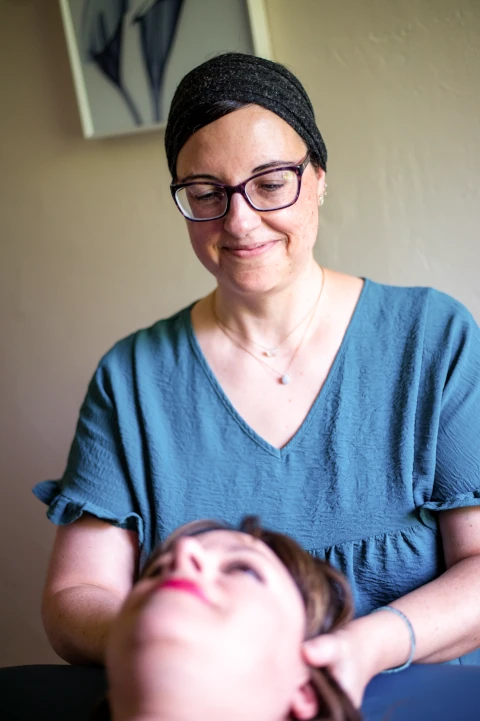
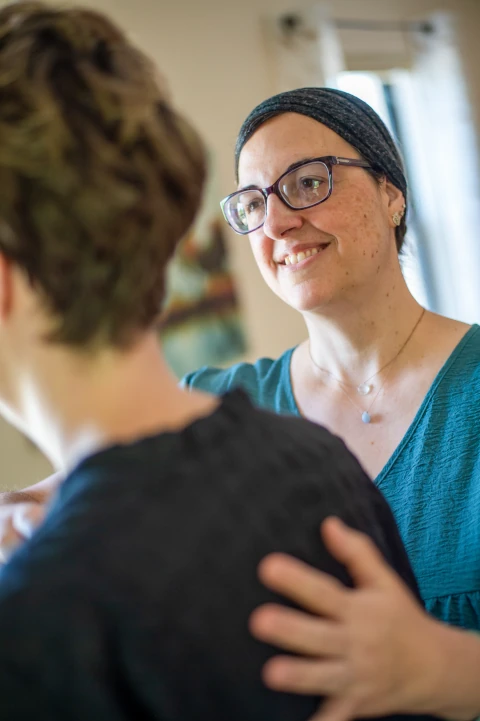
The Alexander Technique is a practical, experiential approach to finding more ease by reducing unnecessary interference. It is a study of how we move, think, and respond — and how habitual patterns of tension can shape our daily experience. In an Alexander lesson, we focus... (click for more) In an Alexander lesson, we focus on how you’re doing things, not just what you’re doing. This work can be helpful if you’ve noticed discomfort, fatigue, strain, bracing, heaviness or if you’re simply curious whether there’s a more supportive way to be in your body. Rather than trying to “fix” or correct you, we focus on helping you notice where you may be working harder than necessary — physically, mentally, or both. Through this awareness, you begin to learn how to allow your body to organize itself with more balance, support, and freedom. By working with awareness and choice rather than force, the Alexander Technique can also gently support the nervous system in letting go of habitual patterns formed during times of stress or challenging life events. In-person Alexander lessons typically include light, non-manipulative touch. This touch serves as a form of communication - a way of offering your nervous system new information and possibilities for coordination and ease. You might think of it as helping the “software” of your nervous system communicate more clearly with the “hardware” of your body. Lessons may take place standing, walking, sitting, or lying down on a table. We might work within a specific activity you’ve brought in, or step away from it temporarily to explore underlying patterns. The goal is always the same: to help you carry more ease, clarity, and adaptability into your activities and into daily life as a whole.
This work is supportive for those who:
  • Want to move, work, or live with more ease and less effort in activities like sitting, standing, walking, working, performing, or exercising
  • Are noticing tension, discomfort, overwhelm or fatigue in daily life and want a different way forward
  • Sense that some patterns no longer feel helpful, but aren’t sure how to change them
  • Are interested in understanding how they use their body, not just fixing symptoms
  • Value awareness, choice, and long-term change over quick fixes and are willing to participate in their own learning process
  • Prefer learning that is thoughtful, embodied, and kind
You don’t need to be in pain, injured, or “doing something wrong” to benefit from the Alexander Technique. Many people come simply because they sense there’s another way to relate to their body — one that feels more supportive, responsive, and sustainable. This work is collaborative and invitational. It meets you where you are and unfolds at a pace that respects your body, your nervous system, and your capacity for change.
Alexander Technique demo photo
The Alexander Technique may not be a good match if you’re looking for:
  • Quick fixes, instant results, or symptom-only solutions
  • A purely passive experience where someone “fixes” you
  • Prescriptive instruction without exploration or dialogue
  • Force-based approaches or rigid ideas of “correct” posture or movement
  • A fast-paced, high-pressure learning environment
This work asks for curiosity, participation, and a willingness to notice what’s happening in your own body. It’s less about being told what to do and more about learning how to listen, respond, and make choices for yourself. If you’re open to a collaborative, thoughtful process — one that values awareness, kindness, and long-term change — this work is likely to feel supportive.
My path to the Alexander Technique grew out of my long standing work as a voice teacher and my curiosity about how the body responds to stress, learning, and life experiences. I first encountered the Alexander Technique through a body focused course. What I found was a way of working that was subtle, practical, and deeply respectful of the body’s intelligence. It offered language and tools for understanding patterns of tension, effort, and holding — not as problems to fix, but as information to work with. I initially trained in... (click for more)I initially trained in integrating Alexander principles into my voice teaching, and that work led me to pursue full training as an Alexander Technique teacher. Alongside my professional development, this training supported meaningful changes in my own relationship with my body. Over time, long-held patterns of pain and effort began to soften — not because they were forced away, but because I learned how to recognize them and make different choices. Like many people, my interest in this work is also shaped by personal life experience. I have lived through periods of significant loss and stress, and I understand how deeply those experiences can register in the body. The Alexander Technique offered me a way to meet those physical responses with care and awareness, allowing greater ease and steadiness over time. Today, I bring this perspective into my teaching with intention and sensitivity. I work in a way that honors the nervous system, respects personal boundaries, and supports each person’s capacity for change. My goal is not to fix or correct, but to help people rediscover choice, comfort, and agency in how they use themselves — whatever their history may be. This work continues to shape how I live and teach, and I’m grateful to share it.

3 easy steps to get started

Alexander Technique demo photo

FAQs

An Alexander lesson is calm, exploratory, and responsive to you. We might work with simple activities like sitting, standing, walking, or resting. You’ll receive gentle verbal guidance and, in in-person sessions, light hands-on touch that helps your nervous system recognize new options for movement and support. There’s no performance, no pushing, and no expectation to “do it right.” The lesson unfolds through noticing — how things feel, where effort shows up, and what changes when you allow something different.

No. The Alexander Technique isn’t treatment, manipulation, or exercise. Rather than something being done to you, this work is something you actively participate in. It’s educational and awareness based, helping you learn directions you can carry into daily life — not just something that works while you’re in the session.

Very gentle — and very effective. We work within your capacity and respect your nervous system’s pace. If you’ve had experiences where being pushed didn’t help (or made things worse), this approach often feels refreshingly different. You are always in control, and nothing is forced.

Not at all. Many students come simply because they’re curious, aware that something could feel easier, or wanting to understand themselves better. Alexander Technique is just as valuable for refinement and self-connection as it is for addressing discomfort.

Yes. While the Alexander Technique is not therapy, it can support awareness of how long-term stress patterns show up physically — and offer ways to reduce their impact through choice, coordination, and ease.

Some people notice changes quickly; for others, the work unfolds gradually. Some need to learn awareness, which takes time. Alexander Technique is a skill — something you learn and deepen over time. A series of lessons allows awareness to build and integrate into daily life, but even a single lesson can offer meaningful insight.

Everything we explore is meant to carry beyond the lesson. The goal isn’t to feel “better” only on the table or in the studio — it’s to help you move, sit, breathe, work, and live with more ease, adaptability, and choice.